Playful Techniques to Enhance Your Dog's Training
- B Sharkins
- 5 days ago
- 4 min read

Training your dog can sometimes feel like a daunting task. Many dog owners struggle with keeping their furry friends engaged and motivated during training sessions. However, incorporating playful techniques can transform the training experience into a fun and rewarding journey for both you and your dog. In this blog post, we will explore various playful training methods that can enhance your dog's learning and strengthen your bond.
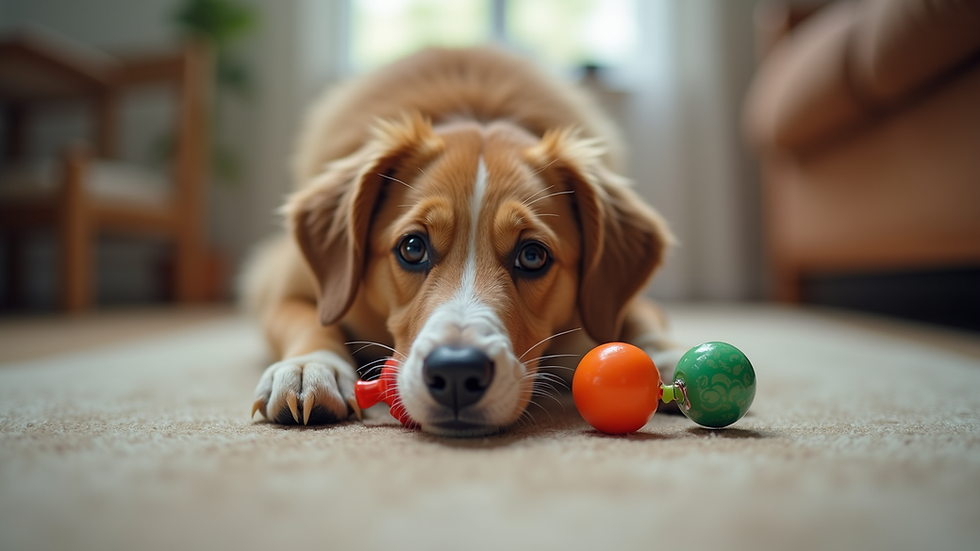
Understanding the Importance of Play in Dog Training
Play is not just a way for dogs to expend energy; it is also a crucial component of their learning process. Dogs are naturally playful creatures, and incorporating play into training can lead to better retention of commands and behaviors. Here are some reasons why play is essential in dog training:
Increased Motivation: Dogs are more likely to engage in training when it feels like a game. Using toys or treats as rewards can motivate them to learn.
Enhanced Focus: Playful training sessions can help maintain your dog's attention, making it easier for them to absorb new information.
Strengthened Bond: Engaging in fun activities together fosters a deeper connection between you and your dog, which can lead to better cooperation during training.
Fun Training Techniques to Try
1. The "Find It" Game
This game is a fantastic way to teach your dog to use their nose while also reinforcing commands like "sit" and "stay." Here's how to play:
Step 1: Start by having your dog sit and stay in one spot.
Step 2: Show them a treat and let them sniff it.
Step 3: Hide the treat somewhere in the room while your dog stays put.
Step 4: Release your dog and encourage them to "find it."
This game not only stimulates your dog's mind but also encourages them to use their natural instincts.
2. Tug-of-War with a Twist
Tug-of-war is a classic game that can also be used for training. To make it more educational, incorporate commands into the game:
Step 1: Use a sturdy tug toy and engage your dog in a game of tug.
Step 2: Periodically ask your dog to "drop it" or "leave it" during the game.
Step 3: Reward them with praise or treats when they comply.
This technique teaches impulse control while allowing your dog to enjoy a fun game.
3. Obstacle Course Fun
Creating a mini obstacle course in your backyard or living room can be an exciting way to train your dog. Use household items like chairs, boxes, and cones to set up the course. Here’s how to do it:
Step 1: Design a simple course with jumps, tunnels, and weaving sections.
Step 2: Guide your dog through the course using treats and commands.
Step 3: Time your dog to see how quickly they can complete the course, adding a competitive element.
Obstacle courses not only improve physical fitness but also enhance your dog's agility and responsiveness to commands.
4. Trick Training
Teaching your dog tricks is a fun way to bond and can be a great confidence booster for them. Here are a few tricks to consider:
Spin: Teach your dog to spin in circles by using a treat to guide them.
Roll Over: Start with your dog lying down, then use a treat to encourage them to roll over.
Play Dead: Use a command like "bang" while gently guiding your dog to lie on their side.
Trick training can be a delightful way to showcase your dog's personality and skills.
5. Interactive Toys and Puzzles
Investing in interactive toys or puzzle feeders can make training more engaging. These toys challenge your dog mentally and can be used as a reward after a training session. Here’s how to use them effectively:
Step 1: Fill a puzzle toy with treats or kibble.
Step 2: Allow your dog to work on the toy after completing a training session.
Step 3: Gradually increase the difficulty of the puzzles as your dog becomes more adept.
Interactive toys keep your dog entertained and mentally stimulated, making training sessions more effective.
Creating a Positive Training Environment
To maximize the effectiveness of these playful techniques, it’s essential to create a positive training environment. Here are some tips to consider:
Choose the Right Time: Train when your dog is alert and energetic, avoiding times when they are tired or distracted.
Limit Distractions: Start training in a quiet space before gradually introducing distractions as your dog becomes more proficient.
Use Positive Reinforcement: Always reward your dog for good behavior with treats, praise, or playtime.
Common Challenges and Solutions
While playful training techniques can be effective, you may encounter challenges along the way. Here are some common issues and how to address them:
Lack of Interest
If your dog seems disinterested in training, try changing the rewards. Experiment with different treats or toys to find what excites them the most.
Short Attention Span
For dogs with shorter attention spans, keep training sessions brief and engaging. Aim for 5-10 minute sessions and gradually increase the duration as your dog becomes more focused.
Overexcitement
Some dogs may become overly excited during play, making it hard for them to concentrate. If this happens, take a break and allow your dog to calm down before resuming training.
The Role of Consistency in Training
Consistency is key when it comes to dog training. Here are some ways to ensure you remain consistent:
Use the Same Commands: Stick to specific words for commands to avoid confusing your dog.
Train Regularly: Incorporate training into your daily routine, even if it’s just for a few minutes each day.
Involve Family Members: Ensure everyone in your household uses the same commands and training techniques to avoid mixed signals.
Conclusion
Incorporating playful techniques into your dog's training can lead to a more enjoyable and effective learning experience. By using games, tricks, and interactive toys, you can keep your dog engaged and motivated. Remember to create a positive training environment and remain consistent in your approach.
As you embark on this journey, keep in mind that training is not just about commands; it’s about building a strong bond with your furry friend. So grab a toy, get ready to play, and watch your dog thrive in their training!
Comments