Essential Dog Training Tips for Every Owner
- B Sharkins
- 5 days ago
- 5 min read

Training your dog is one of the most rewarding experiences you can have as a pet owner. Not only does it help establish a bond between you and your furry friend, but it also ensures that your dog behaves well in various situations. Whether you are a new dog owner or have had dogs for years, there are always new techniques and tips to learn. This guide will provide you with essential dog training tips that every owner should know.
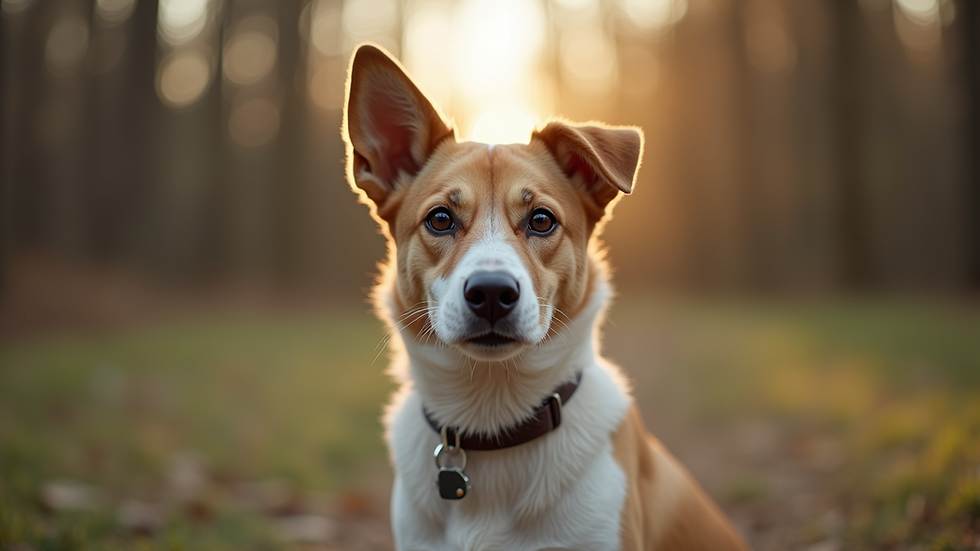
Understanding Dog Behavior
Before diving into training techniques, it’s crucial to understand your dog’s behavior. Dogs communicate through body language, vocalizations, and actions. Here are some key points to consider:
Body Language: A wagging tail doesn’t always mean a happy dog. Pay attention to the entire body posture. A relaxed body indicates comfort, while a stiff posture may signal fear or aggression.
Vocalizations: Barking can mean different things. A high-pitched bark might indicate excitement, while a low growl can signal discomfort or aggression.
Socialization: Dogs are social animals. Proper socialization with other dogs and people is essential for a well-adjusted pet.
Understanding these behaviors will help you tailor your training approach to meet your dog’s needs.
Basic Commands Every Dog Should Know
Teaching your dog basic commands is the foundation of good behavior. Here are some essential commands to start with:
Sit
The "sit" command is one of the easiest and most important commands to teach. Here’s how to do it:
Hold a treat close to your dog’s nose.
Move your hand up, allowing the dog’s head to follow the treat. This will cause their bottom to lower.
Once they are in a sitting position, say "sit," give them the treat, and praise them.
Stay
The "stay" command is crucial for keeping your dog safe in various situations. Follow these steps:
Ask your dog to sit.
Open your palm in front of you and say "stay."
Take a few steps back. If your dog stays, reward them with a treat.
Gradually increase the distance and duration.
Come
The "come" command can be a lifesaver. Here’s how to teach it:
Put a leash on your dog and let them wander a bit.
Call your dog’s name followed by "come" in a cheerful tone.
When they come to you, reward them with a treat and praise.
Positive Reinforcement Techniques
Positive reinforcement is one of the most effective training methods. It involves rewarding your dog for good behavior rather than punishing them for bad behavior. Here are some tips:
Use Treats: High-value treats can motivate your dog to learn. Use small, tasty treats that your dog loves.
Praise and Affection: Sometimes, a simple "good boy/girl" or a pat on the head can be just as rewarding as a treat.
Consistency: Be consistent with commands and rewards. This helps your dog understand what is expected of them.
Socialization and Exposure
Socialization is critical for your dog’s development. Exposing your dog to different environments, people, and other animals can help them become well-rounded. Here are some tips for effective socialization:
Start Early: Begin socializing your puppy as soon as you bring them home. The critical period for socialization is between 3 and 14 weeks.
Controlled Environments: Introduce your dog to new experiences in a controlled manner. For example, take them to a friend’s house or a dog park.
Positive Experiences: Ensure that all interactions are positive. If your dog has a negative experience, it can lead to fear or aggression later on.
Dealing with Behavioral Issues
Every dog has its quirks, and sometimes those quirks can turn into behavioral issues. Here are some common problems and how to address them:
Excessive Barking
If your dog barks excessively, it’s essential to identify the cause. Here are some strategies:
Identify Triggers: Keep a log of when your dog barks to identify patterns or triggers.
Redirect Attention: When your dog starts barking, redirect their attention to a toy or command.
Teach "Quiet": Use the "quiet" command by rewarding your dog when they stop barking.
Chewing
Chewing is a natural behavior, but it can become destructive. Here’s how to manage it:
Provide Chew Toys: Offer a variety of chew toys to satisfy their chewing instinct.
Redirect: If you catch your dog chewing on something they shouldn’t, redirect them to an appropriate toy.
Supervise: Keep an eye on your dog, especially during the puppy stage, to prevent unwanted chewing.
Jumping
Jumping can be a sign of excitement, but it can be problematic. Here’s how to curb this behavior:
Ignore Jumping: When your dog jumps, turn away and ignore them. Only give attention when they are calm.
Teach "Sit": Encourage your dog to sit when greeting people. Reward them for staying seated.
Advanced Training Techniques
Once your dog has mastered basic commands, you can move on to advanced training techniques. Here are some ideas:
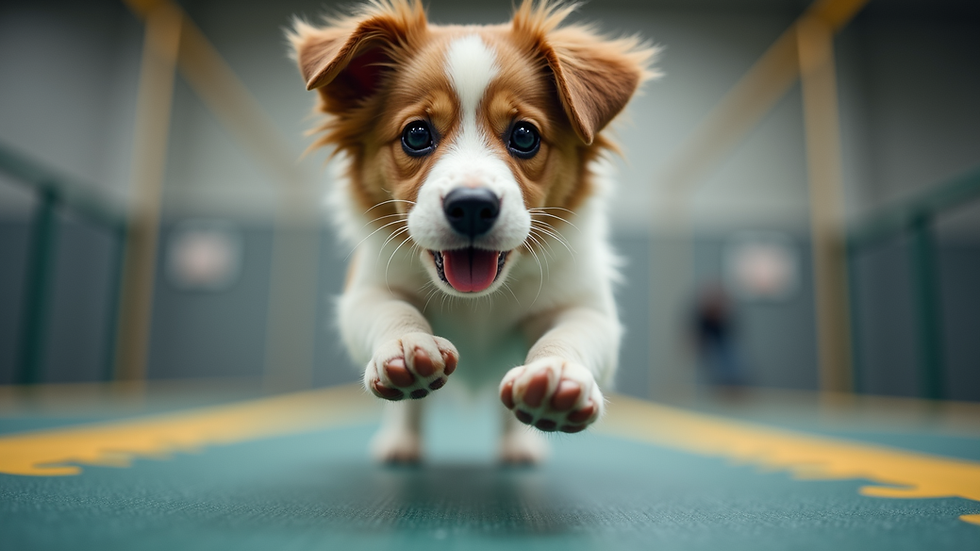
Agility Training
Agility training is a fun way to challenge your dog physically and mentally. It involves navigating through obstacles like tunnels, jumps, and weave poles. Here’s how to get started:
Find a Class: Look for local agility classes or clubs.
Start Slow: Begin with simple obstacles and gradually increase the difficulty.
Use Positive Reinforcement: Reward your dog for completing obstacles successfully.
Trick Training
Teaching your dog tricks can be a fun bonding experience. Here are some popular tricks to try:
Shake Hands: Teach your dog to lift their paw and shake hands.
Roll Over: With patience, you can teach your dog to roll over on command.
Play Dead: This trick can be entertaining and is sure to impress your friends.
The Importance of Patience and Consistency
Training a dog takes time and patience. Here are some key points to remember:
Short Sessions: Keep training sessions short and engaging. Aim for 5-10 minutes several times a day.
Stay Positive: Maintain a positive attitude during training. Dogs can sense frustration and may become anxious.
Celebrate Progress: Celebrate small victories. Every step forward is a step in the right direction.
Conclusion
Training your dog is an ongoing journey that requires dedication, patience, and love. By understanding your dog’s behavior, teaching basic commands, and using positive reinforcement techniques, you can create a strong bond with your furry friend. Remember to socialize your dog, address behavioral issues promptly, and consider advanced training techniques as your dog progresses.
With these essential dog training tips, you are well on your way to raising a well-behaved and happy dog. Start today, and enjoy the rewarding experience of training your canine companion!
Comments